
An additional pathway
Personalised SEND & Life Skills
Not every learner is working toward a traditional qualification, and that is not the same as not progressing. This pathway is built around communication, regulation, independence and adult life, with accreditation used where it genuinely helps and left out where it would only get in the way.

Who it is for
Learners who need the programme built around them.
There is no diagnosis threshold and no attainment threshold. What matters is whether KCL can meet the need safely and well, which is assessed before anything is agreed.
Autistic learners
Including learners whose profile is emerging or not yet formally assessed.
Significant communication differences
Pre-verbal, minimally verbal, or communicating in ways a mainstream setting has not met.
Learning disabilities
Where the curriculum has to be rebuilt rather than differentiated at the edges.
Sensory needs
Where environment, noise, light and predictability decide whether learning is possible.
Higher levels of support
Learners who need consistent adult support to access anything at all.
How it is shaped
Five things set the programme.
The plan is written from these, in this order, and revisited whenever one of them changes.
- 01
EHCP outcomes
Every activity ties back to an outcome someone has already agreed matters.
- 02
Communication needs
How a learner takes information in and gets a message out, before anything else is planned.
- 03
Level of development
Where the learner actually is across each area, assessed rather than assumed from age.
- 04
Interests
The thing a learner will willingly do — the door the rest of the programme walks through.
- 05
Preparation-for-adulthood goals
What a fuller adult life would look like for this person, and the steps between here and there.
Areas of learning
Four areas, taught together rather than in periods.
A single session usually touches several of these at once. They are separated here for clarity, not because they are timetabled apart.
Communication and interaction
The foundation everything else on this pathway rests on.
Communication and interaction
Building shared attention, turn-taking and intent — with the adult adapting, not the learner.
Functional communication and AAC
Symbols, signing, devices and other augmentative and alternative communication where appropriate, used consistently across the day.
Social development
Being alongside other people, tolerating shared space, and taking part on the learner's own terms.
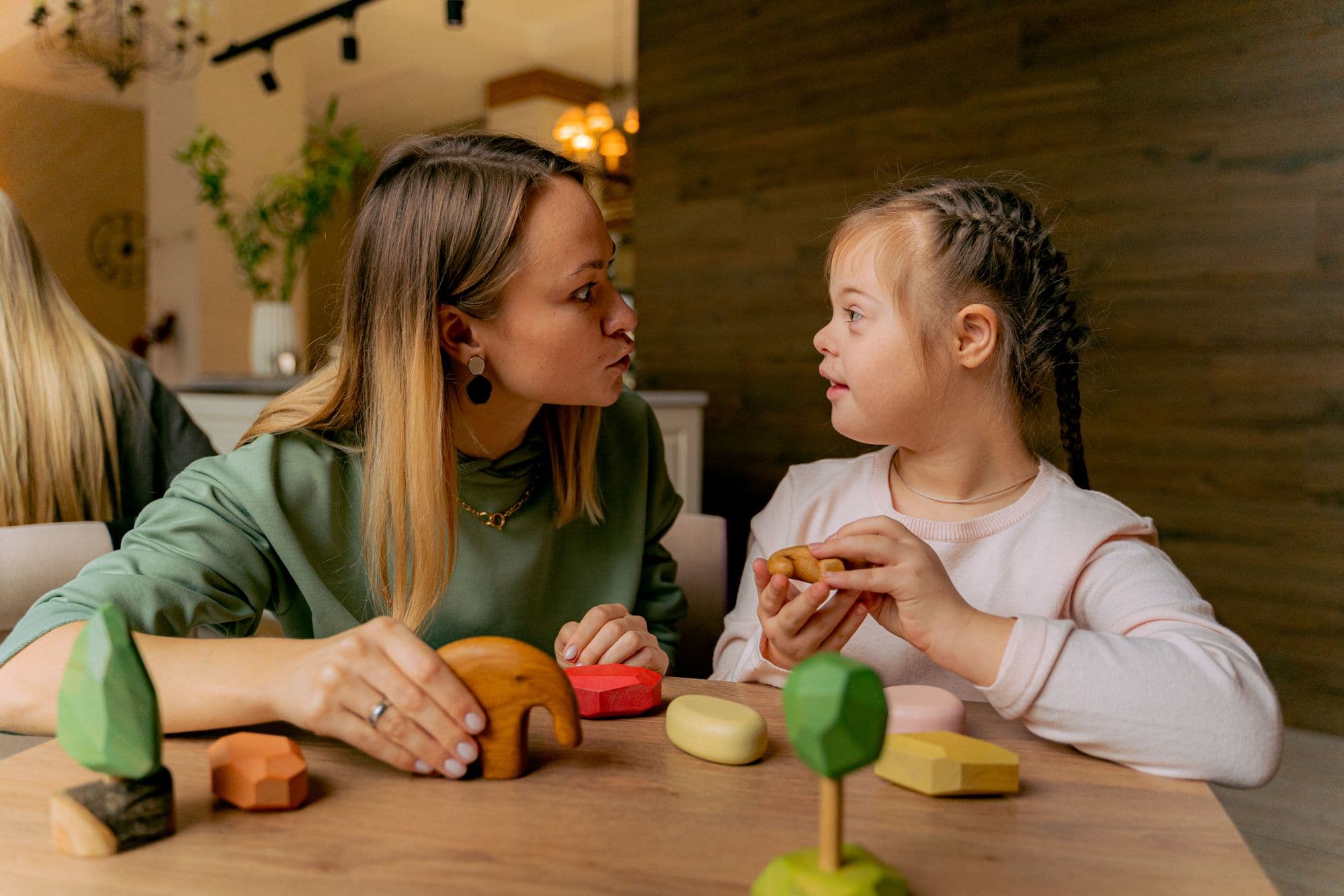
Regulation and engagement
Before learning, the conditions for learning.
Sensory regulation
Known strategies, predictable environments and planned breaks, so a session ends well rather than early.
Engagement and participation
Attention, persistence and initiation — tracked carefully, because for some learners this is the progress.
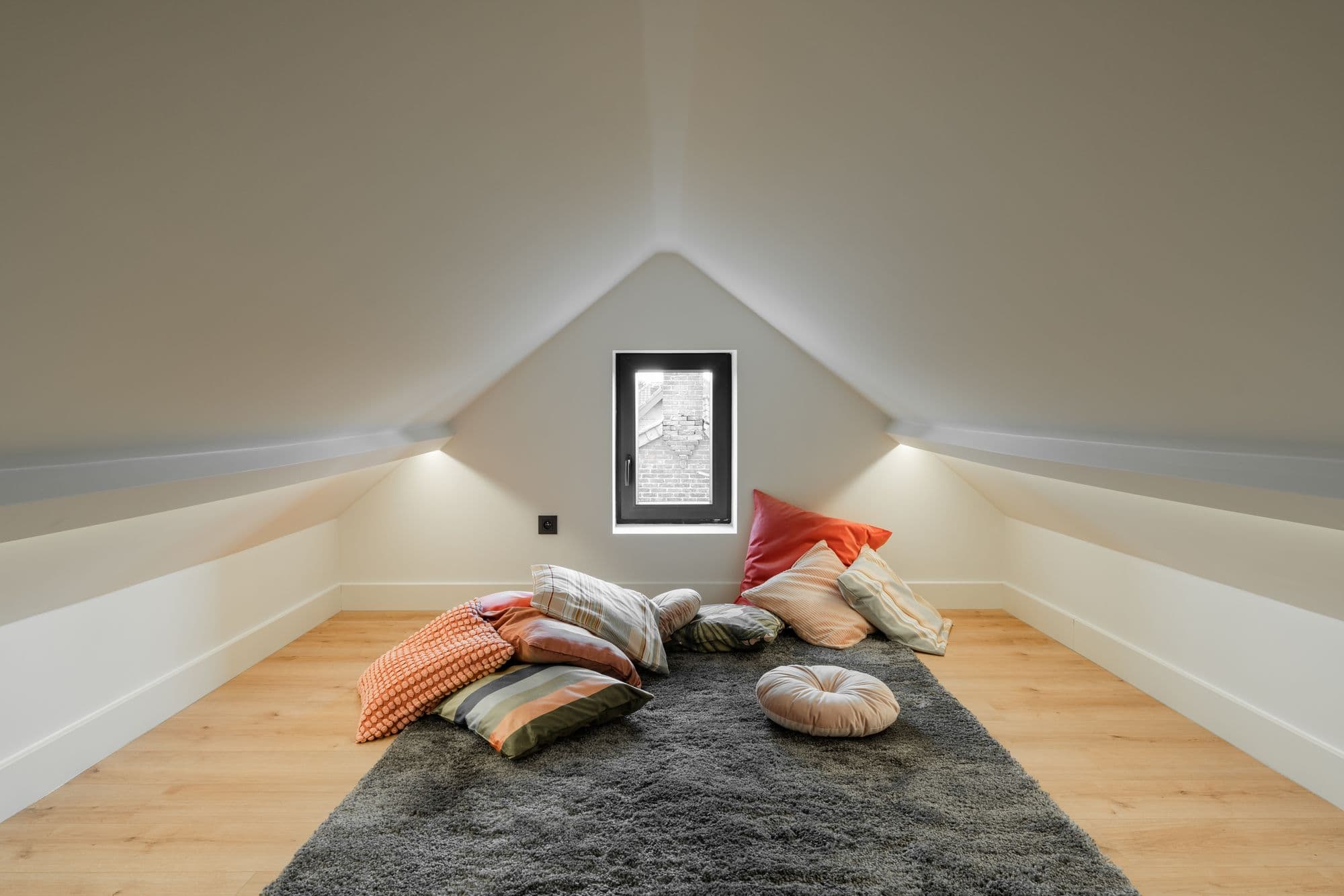
Independence and daily life
The skills that decide how much of an adult life a person gets to run themselves.
Independence
Doing more of a task alone each week, with support faded deliberately rather than removed suddenly.
Choice-making
Offering real choices, waiting for the answer, and acting on it — so choosing is worth doing.
Daily living skills
Dressing, eating, preparing food, hygiene, and looking after your own belongings.
Personal safety
Roads, strangers, boundaries, online safety and knowing how to ask for help.

Learning, community and adult life
Where the programme points once it is running.
Functional English and maths
Reading what has to be read and handling the numbers of ordinary life, at whatever level is right.
Community access
Shops, transport, cafés and public spaces, used regularly until they stop being an event.
Preparation for adulthood
Transitions, routines, work-like activity and the next setting, planned years rather than months ahead.
Accessible accreditation
AQA Unit Award Scheme or other accessible accreditation where appropriate — recognition that fits the learner rather than the other way round.

What progress means here
Achievement looks different for every learner.
KCL recognises that achievement looks different for every learner. For some young people, progression means achieving Functional Skills or a vocational qualification, and the programme is built to get them there.
For others, meaningful progress is communicating a choice, dressing independently, crossing a road safely, managing a transition that used to end the day, taking part in something in the community, or engaging successfully in learning and staying engaged. Both are planned for, recorded and reported with the same seriousness.
Progress is measured against the learner's own starting point, never against somebody else's.
- 01
Needs-led
The programme starts from assessed need, not from a timetable that already exists.
- 02
Strengths-based
What a learner can already do is the material the rest is built from.
- 03
Interest-led
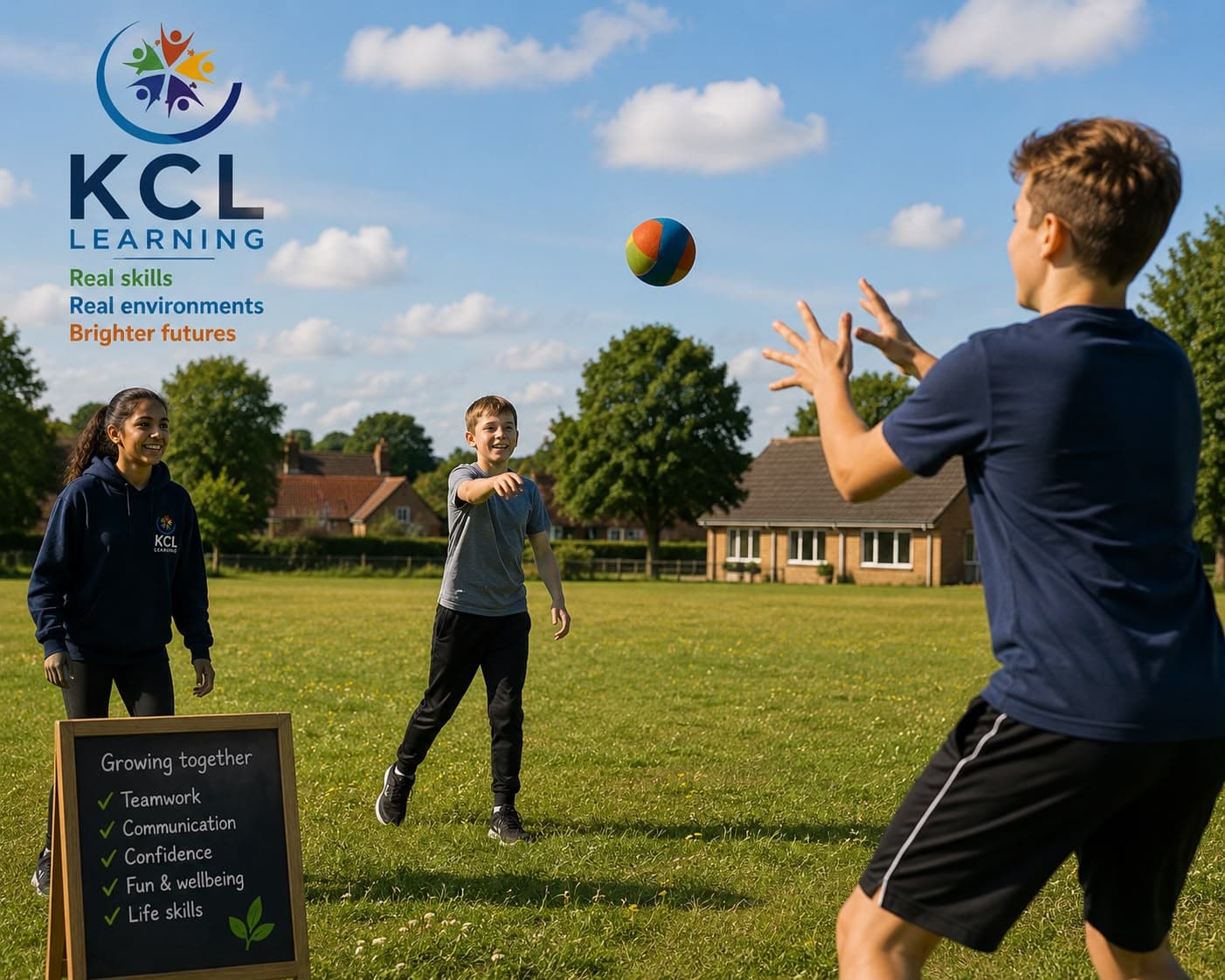
Engagement follows interest. Animals, music, cooking, sport — whatever opens the door.
- 04
Outcome-focused
Every activity ties back to an EHCP outcome and a step toward adult life.
Access to the other pathways
Higher support needs do not rule the other settings out.
Nathan's Farm, Chesham Youth Centre and Denham Community Centre are also open to learners with higher support needs where KCL has assessed that the environment and staffing can safely meet their needs. That assessment is made for each learner and each site, in writing, and is revisited as needs change.
Current priority programme
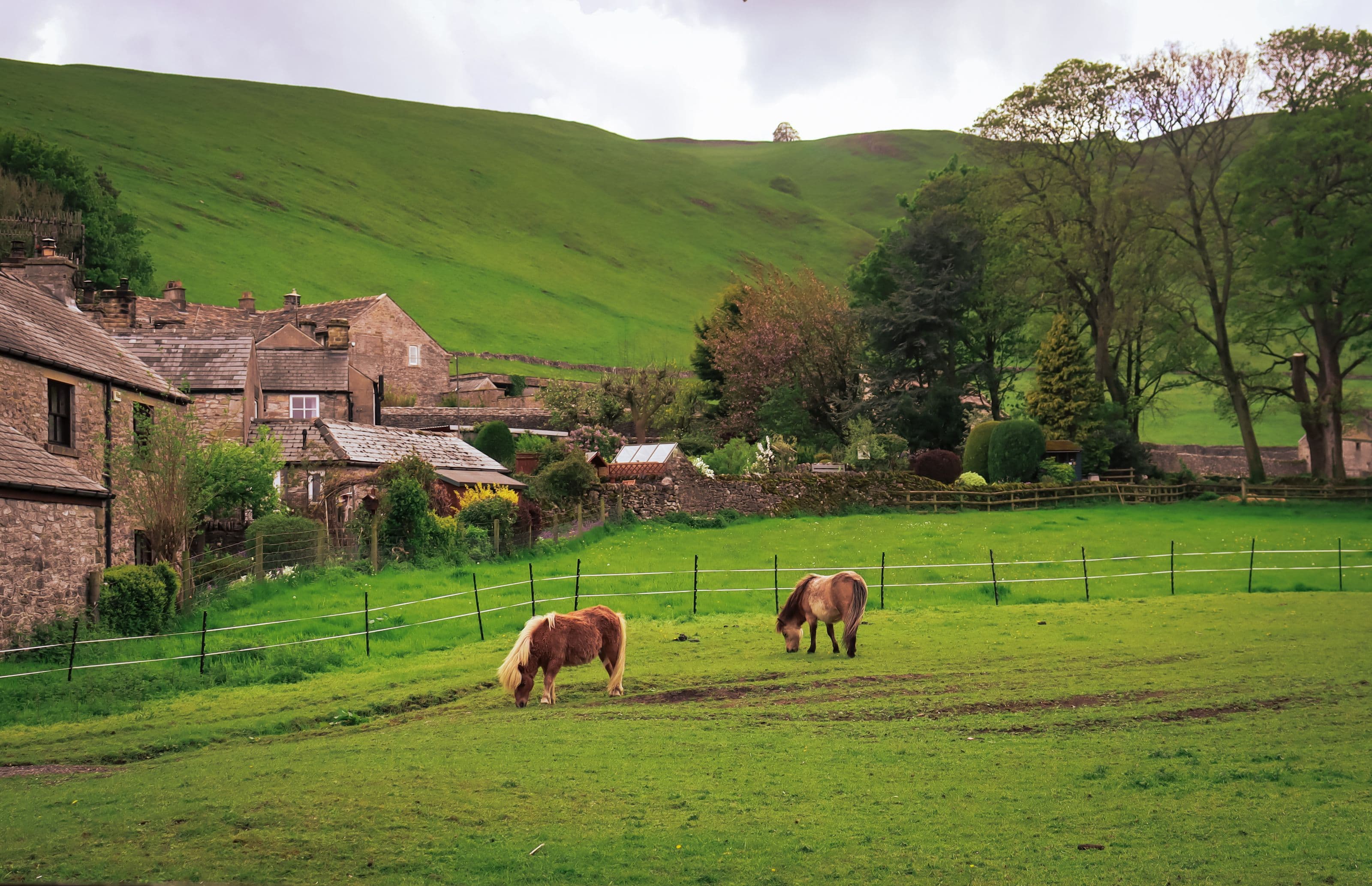
Nathan's Farm
Chalfont St Giles, Buckinghamshire
Farm-based alternative provision — animal care, equine learning, land work and accredited practical skills.

Chesham Youth Centre
Chesham, Buckinghamshire
A flexible SEND learning environment — arts room, kitchen, coffee bar, games room and an outdoor court.
Denham Community Centre
Denham, Buckinghamshire
Sport and active learning — football, physical activity and outdoor gym, with English, maths and digital skills alongside.

Flexible Alternative Provision
Commissioned by schools & local authorities
Targeted intervention through to longer-term AP and reintegration — built around the individual learner.
Skills for Future Work
Construction · Electrical · Engineering · Animal Care · Horticulture · Land-Based
Accredited vocational pathways combining AQA UAS, NCFE, Functional Skills and practical learning in real-world environments, with supported progression towards further education, industry pathways, work experience, apprenticeships and employment.
 Regulated qualification type
Begin a conversation
Begin a conversation.
Reaching out can feel like a big step. Whether you're a parent, school, or local authority, we're happy to talk through needs and whether we're the right fit.