
Farm-Based Alternative Provision
Farm-Based Learning
Nathan's Farm, Chalfont St Giles, Buckinghamshire
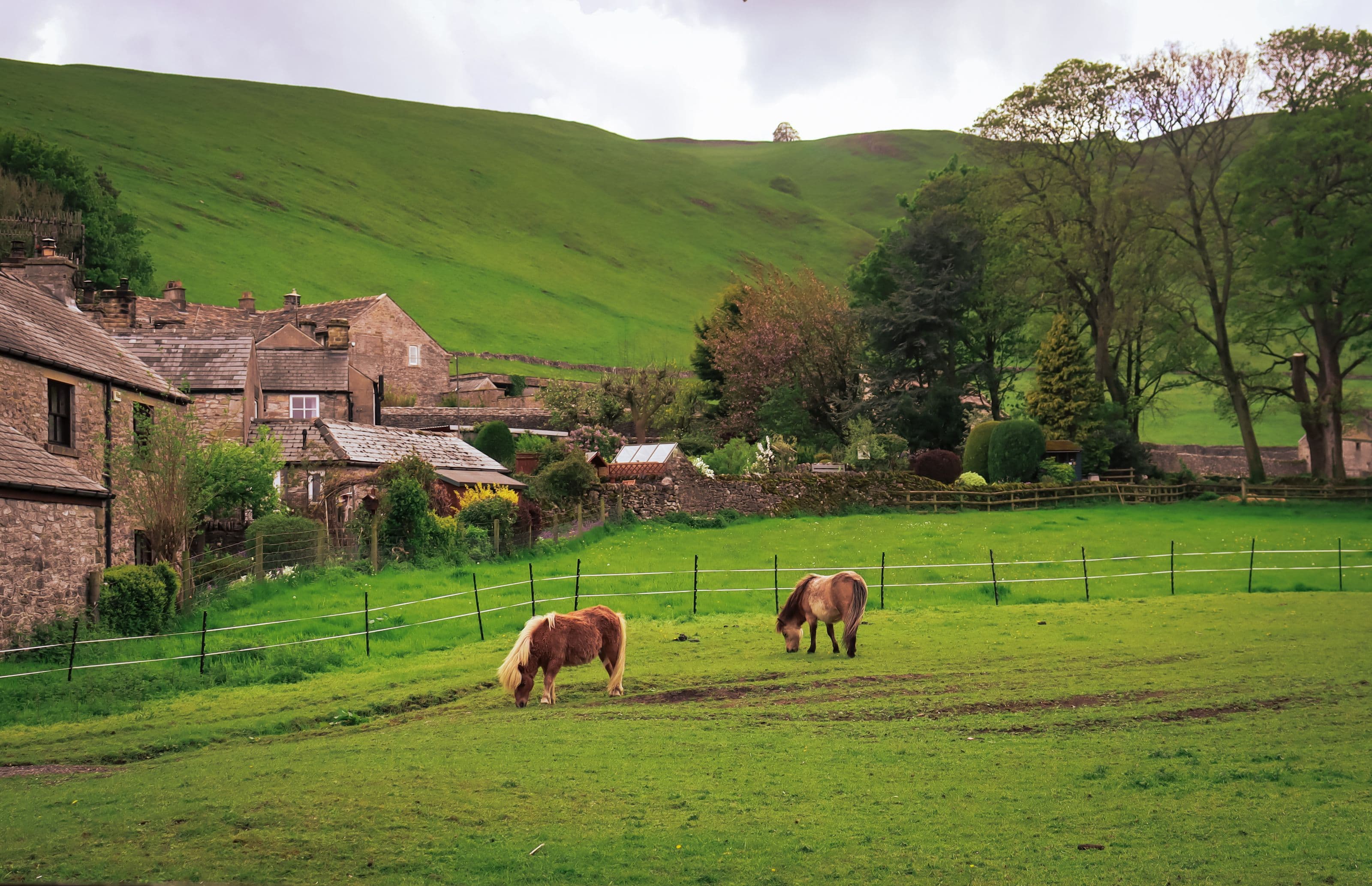
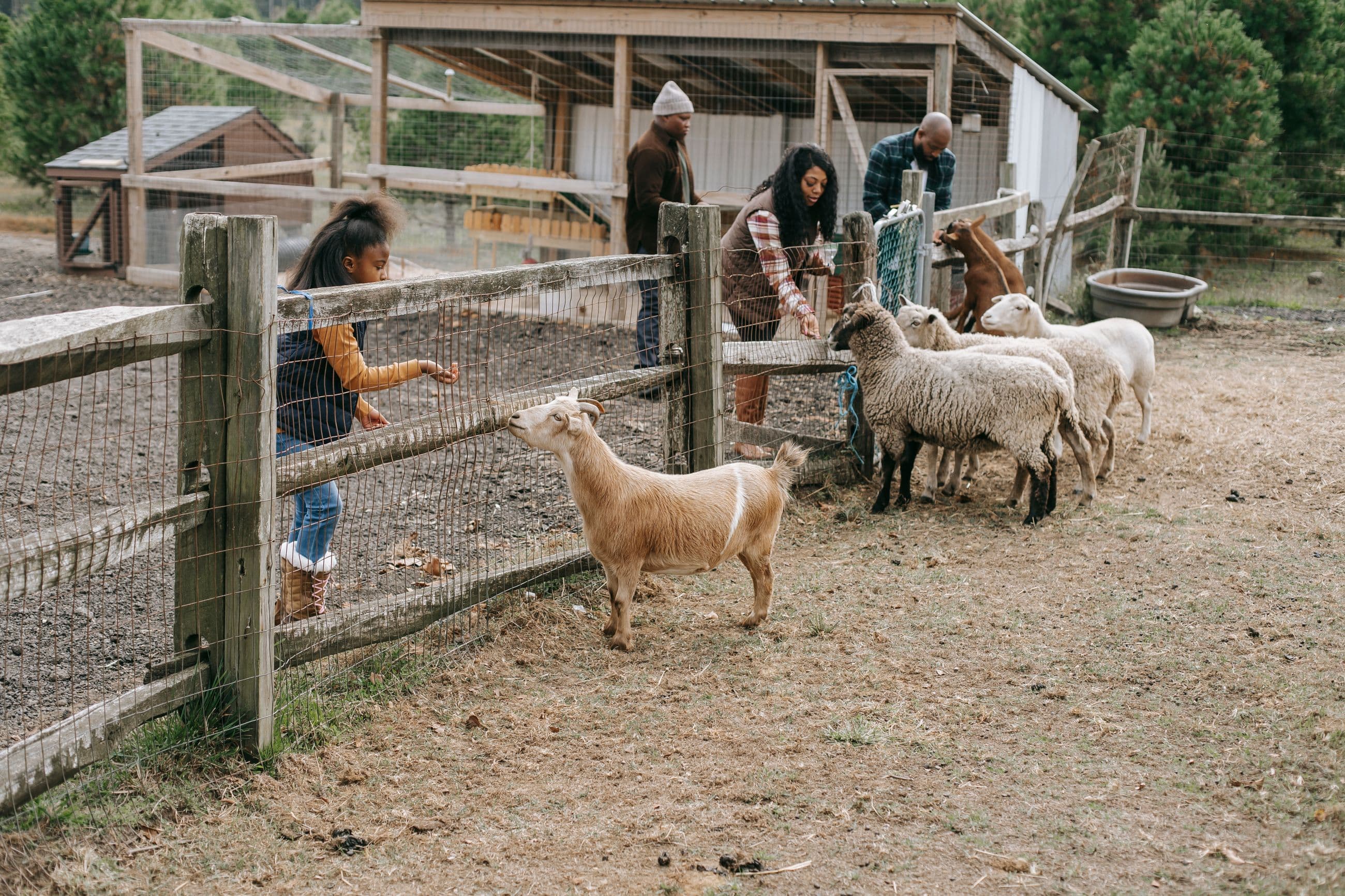
Nathan's Farm is KCL's priority programme. A full alternative provision built around animals, equine work, land and the ordinary rhythm of a working day — for learners who have stopped attending school, and who start again here because the day asks something of them that a classroom cannot.
Current priority programme
What we do here
A working day with animals, land and purpose in it.
The programme is one thing, not thirteen. Practical work, accredited learning and preparation for adult life run through the same day, in the same place, with the same staff.
On the land
The part of the day that gets a learner through the gate.
Farm-based learning
The working day is the curriculum — rounds, tasks and seasons that repeat until they are familiar and no longer frightening.
Animal care
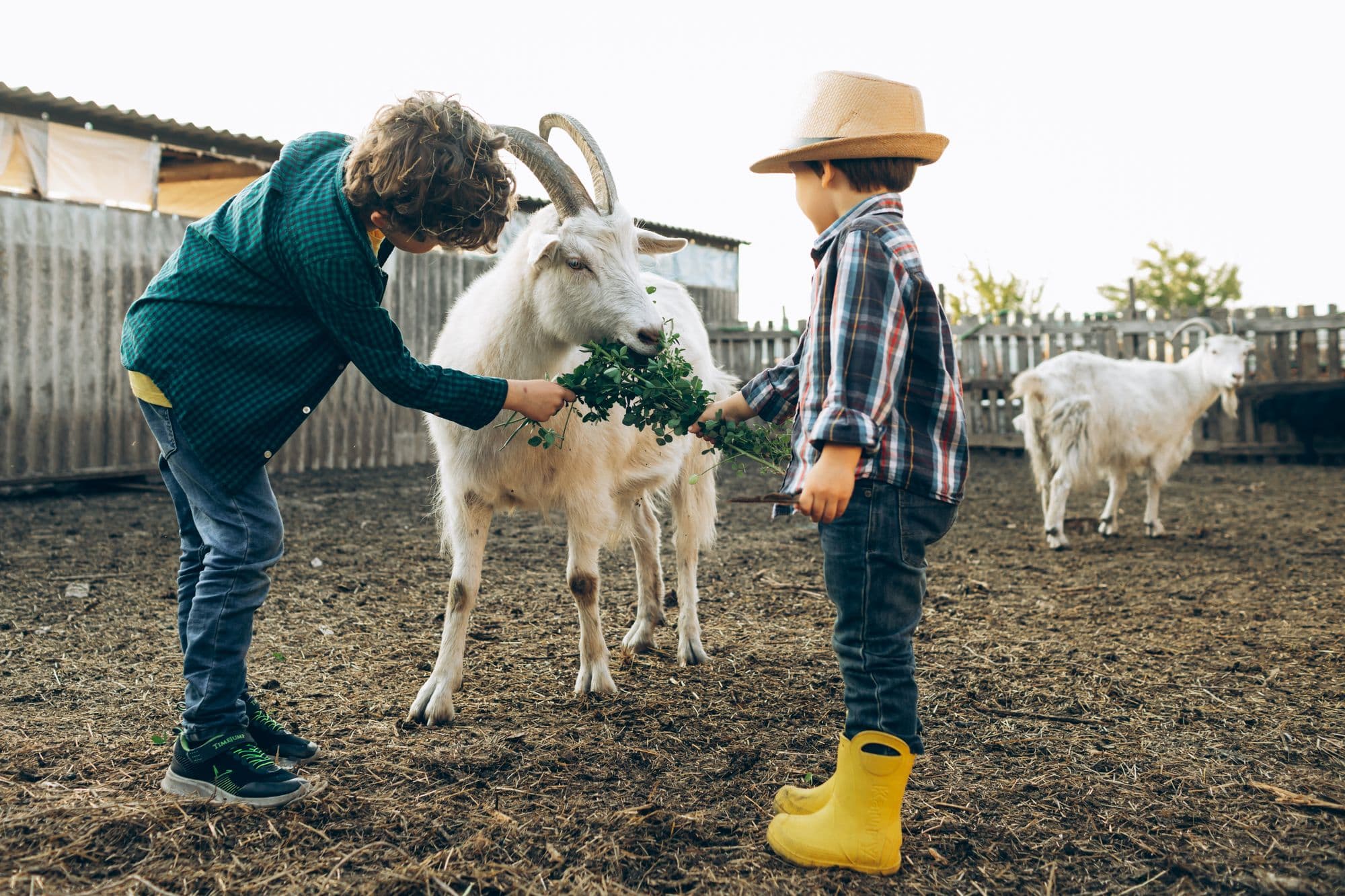
Feeding, welfare checks, handling and husbandry, with responsibility handed over as a learner shows they are ready for it.
Equine learning
Structured time with horses and ponies — leading, grooming and yard routine. Set out in full below.
Outdoor learning
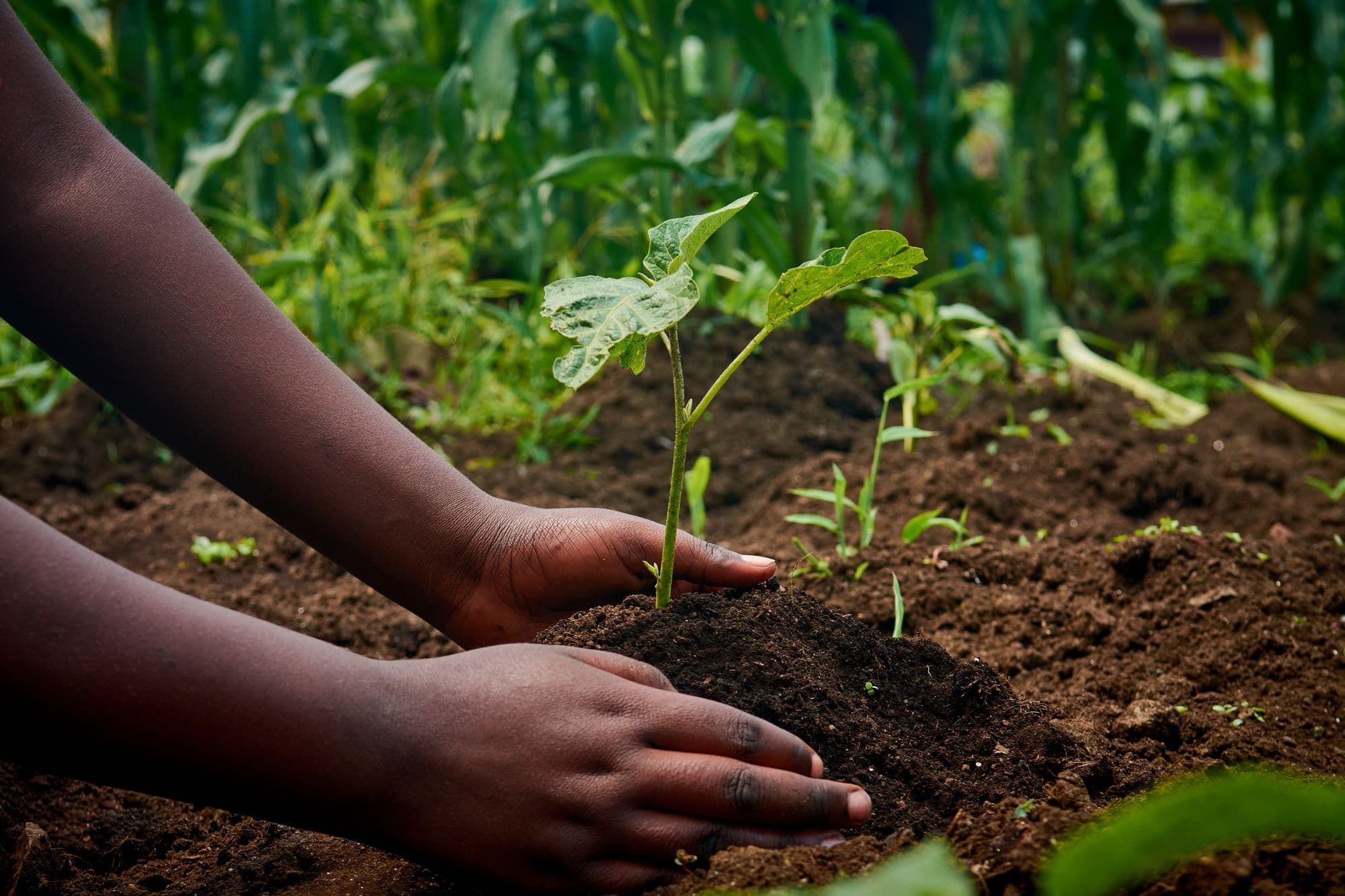
Growing, maintenance, tools and weather. Learning that happens standing up, outdoors, with something to show at the end of it.
Practical skills
Fencing, repairs, planting, lifting and carrying — competence a learner can point at and describe to someone else.
Learning that is recorded
Academic and digital work, taught through the farm rather than away from it.
Functional Skills
English and maths taught through feed weights, costings, records and signage, from Entry Level upward.
Digital Skills
Photographing, logging and presenting the work — digital literacy with an obvious purpose attached to it.
AQA Unit Award Scheme
Short certificated units gathered as the work is done, so achievement is banked along the way rather than at the end.
Toward adult life
The outcomes an EHCP is usually written around.
Communication
Instructions given and taken, questions asked, work handed over between people who depend on each other to get it done.
Independence
Arriving, preparing, starting a task and finishing it without being carried through it.
Life skills
Cooking with what is grown, managing kit and clothing, timekeeping, and handling money in enterprise work.
Wellbeing
Physical work, open air and animals — regulation practised daily rather than discussed in a room.
Preparation for adulthood
Work habits, employability and the routes that follow: college, training, or supported employment.
Equine learning
Working with horses and ponies at the learner's pace.
Equine sessions are structured, supervised and unhurried. A learner may spend the first weeks doing little more than being in the yard while other people work, and that is treated as progress, because it is.
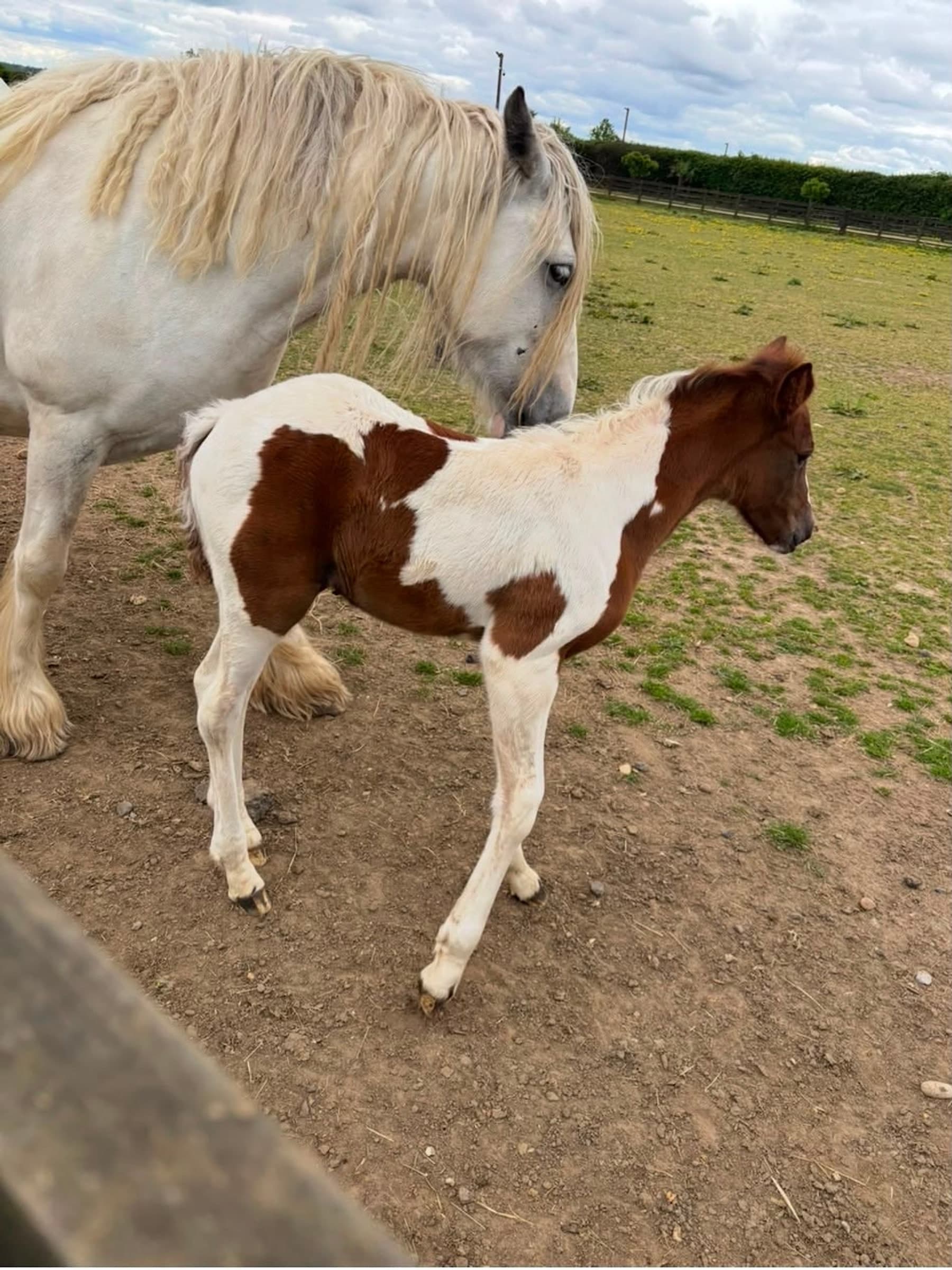
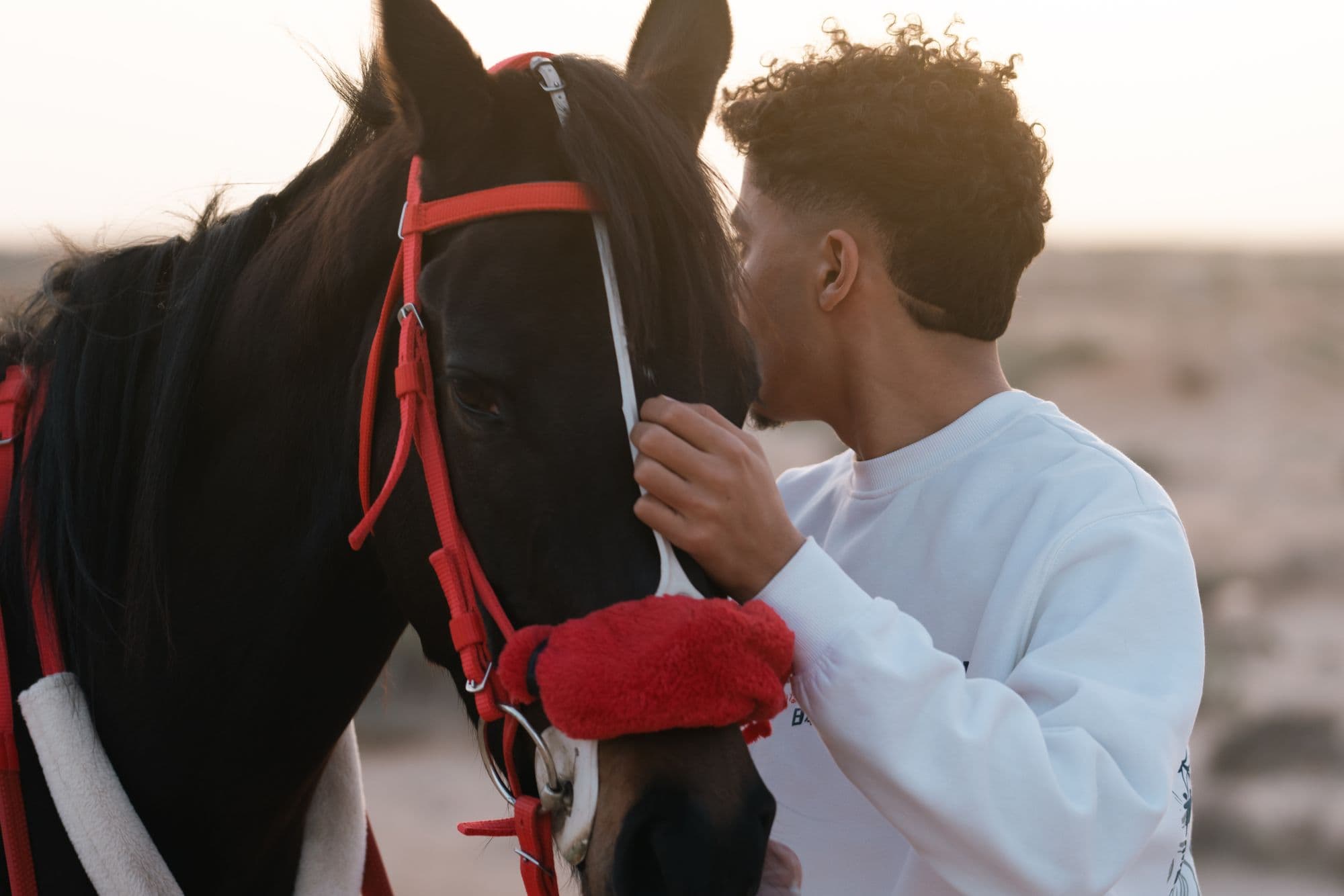
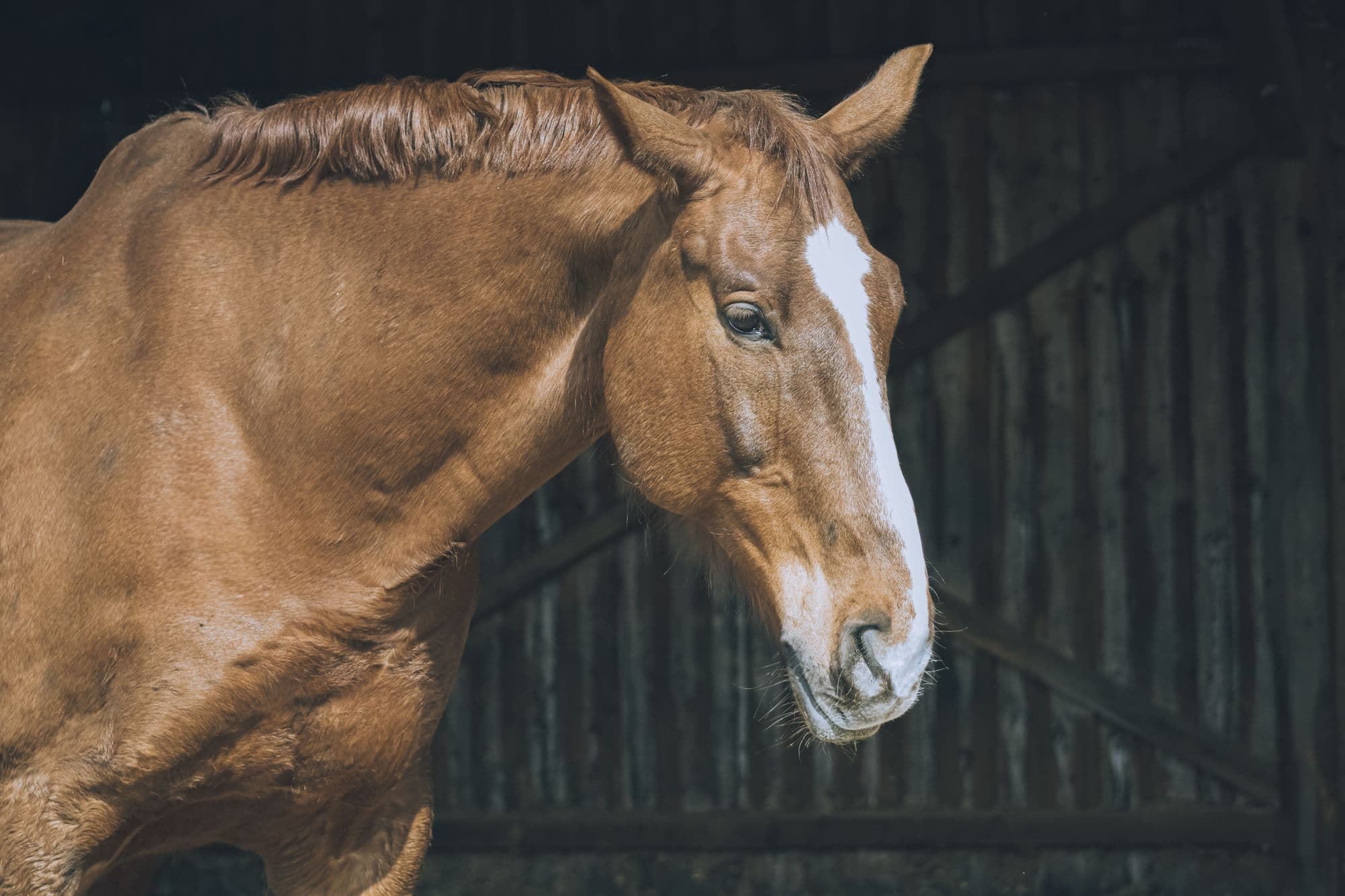
Leading, grooming, mucking out, tacking up and the ordinary order of a yard — done alongside an animal that reads posture and tone long before it reads words. For a young person who has been told to calm down for years, a horse that simply responds to calm is a different kind of teacher.
- 01
Leading and handling
Approach, headcollar, lead rope, and moving safely around a large animal.
- 02
Grooming and daily care
Brushing, hoof-picking, checking over — close, repetitive, calming work.
- 03
Yard routine
Mucking out, water, hay, tack and turnout, in the same order every session.
- 04
Co-regulation
Breathing, pace and body language, learned from an animal rather than instructed.
KCL does not advertise a fixed equine qualification. Where a learner is ready to work toward accredited equine or animal-care outcomes, the route is confirmed with KCL case by case.
The site
A year on the farm.
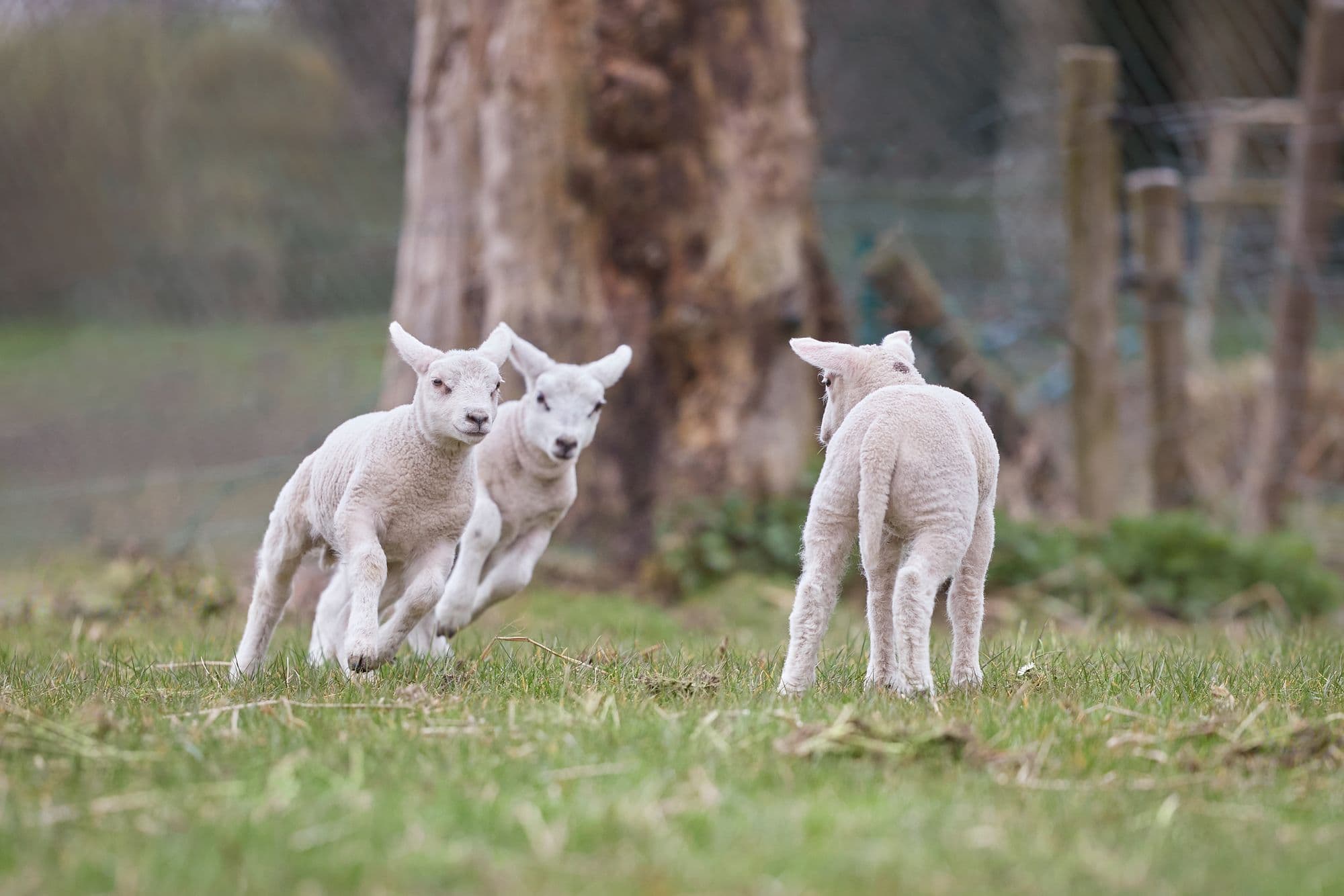
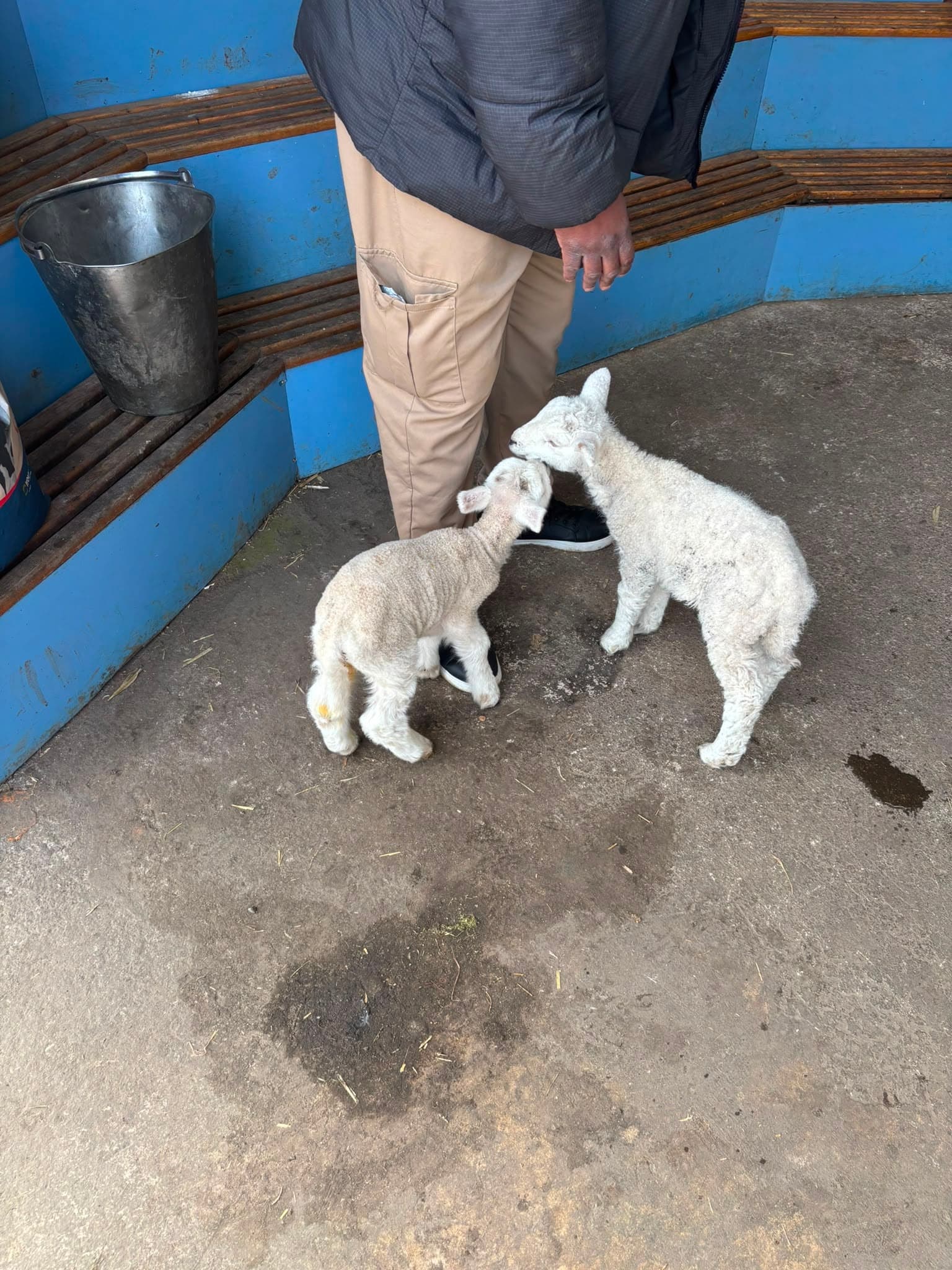
Lambing season, and the rounds that come with it.
Growing areas, planted and maintained by learners.
Daily feeding rounds, shared between the group.
Animals met over the fence first, at the learner's own pace.
Nathan's Farm, Chesham Youth Centre, Denham Community Centre, Bletsoe Village Hall and Oxford City Farm are independent sites. KCL delivers its provision at each of them by arrangement, and does not own or operate the premises.
What learners work toward
Recognised achievement, personalised to the starting point.
Learners can work towards recognised achievement through the AQA Unit Award Scheme and, where appropriate, progress to NCFE vocational routes — offered where applicable to the pathways KCL is currently approved to deliver.
Qualification level and pathway are personalised according to each learner's starting point, abilities, needs and progression goals. Functional Skills English and maths run alongside, taught through the work of the farm rather than separately from it.
An example
AQA Unit Award Scheme — an 'Introduction to Animals' style unit
A short, no-exam unit of the kind available on this pathway, and often a learner's first piece of accreditation: completed inside the ordinary run of the day, with the animals they already work with. It is given here as an example of the sort of unit available rather than a fixed catalogue — units are selected with the learner and confirmed with KCL.
Progress is reviewed against EHCP outcomes and reported to referring schools and local authorities on the agreed cycle.


 Regulated qualification type
Exact official qualification titles, levels and awarding-body approvals are confirmed with KCL before publication.
Farm & Skills placements
Small groups, high ratios, a day that holds.
Farm & Skills placements run in small groups, commonly part-week to begin with. Numbers are kept deliberately low so staff can stay with a learner through the moments that would otherwise end the day.
Part-week or full-week
Placements are built around what a learner can sustain, then extended.
Alongside school
Many learners hold a school place and attend the farm for part of the week.
Phased starts
A first visit, then a taster day, then a pattern — at whatever speed is needed.
One plan
Farm work, Functional Skills and life skills are planned as one programme, not three.
Talk to us about a farm placement.
Referrals and placement conversations start with a phone call or a site visit. Nothing is agreed before a learner has seen the place.
Our pathways
Six ways into learning.

Chesham Youth Centre
Chesham, Buckinghamshire
A flexible SEND learning environment — arts room, kitchen, coffee bar, games room and an outdoor court.
Denham Community Centre
Denham, Buckinghamshire
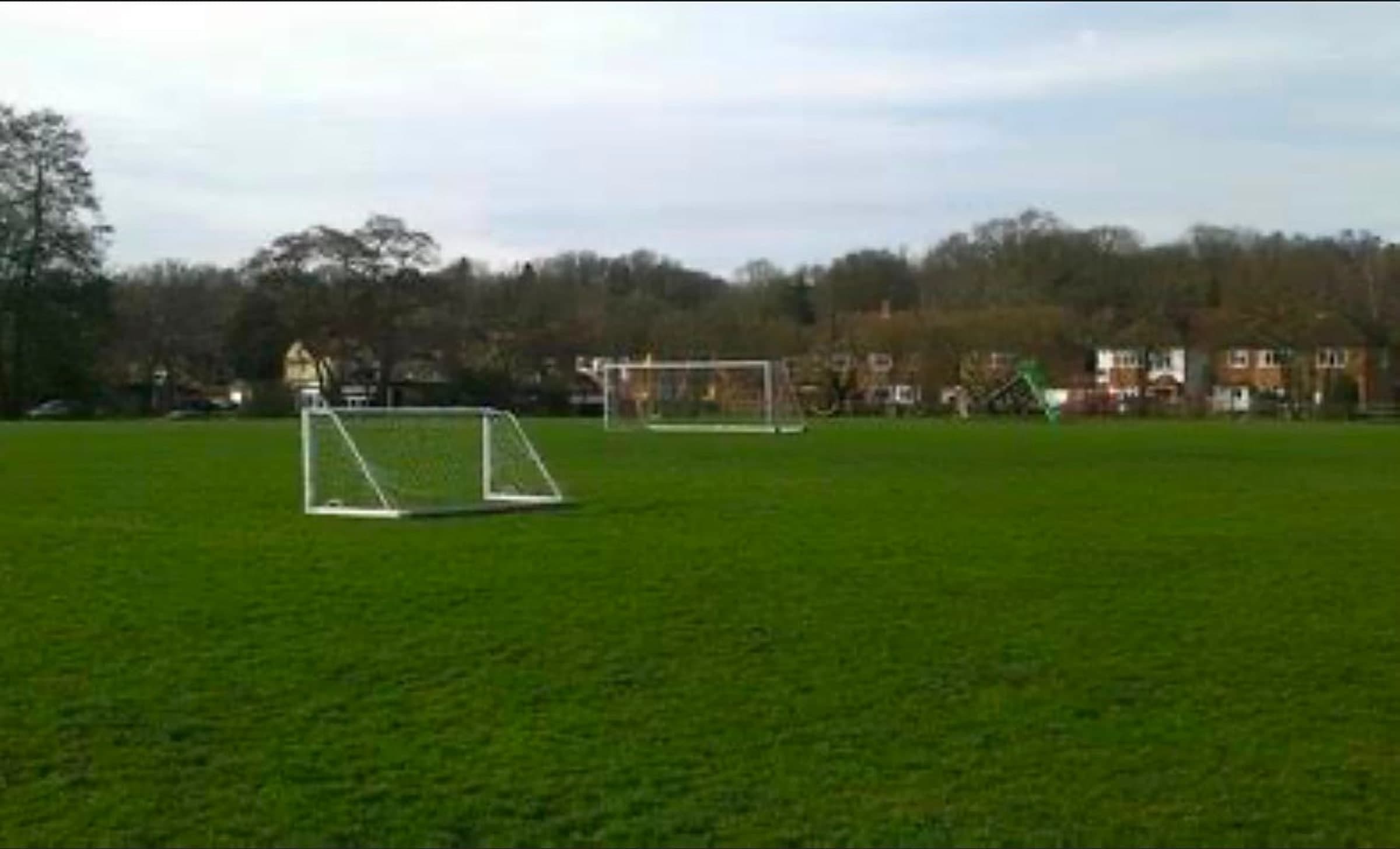
Sport and active learning — football, physical activity and outdoor gym, with English, maths and digital skills alongside.
Personalised SEND & Life Skills
Across all KCL settings
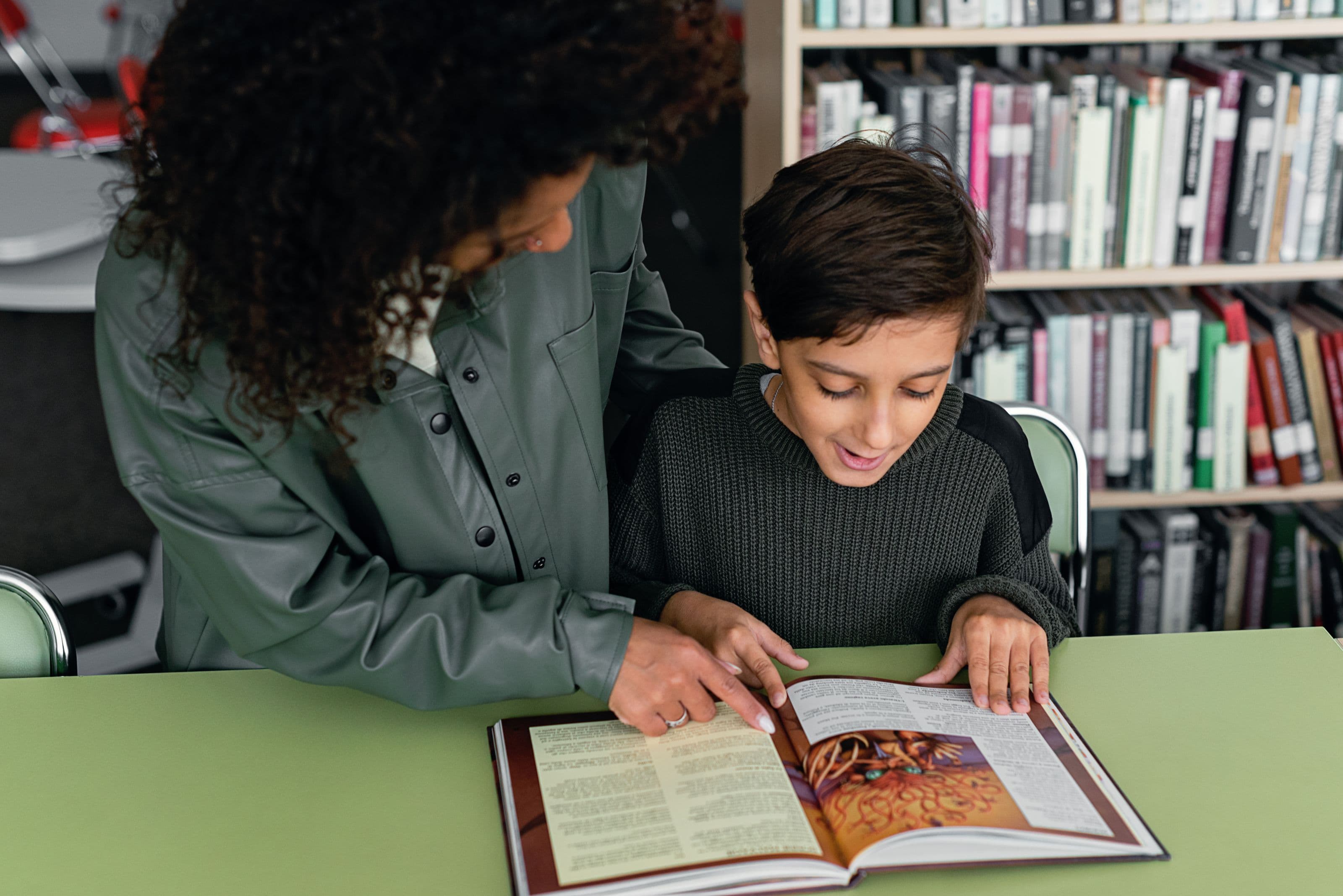
For learners with higher support needs — communication, regulation, independence and preparation for adulthood.

Flexible Alternative Provision
Commissioned by schools & local authorities
Targeted intervention through to longer-term AP and reintegration — built around the individual learner.
Skills for Future Work
Construction · Electrical · Engineering · Animal Care · Horticulture · Land-Based
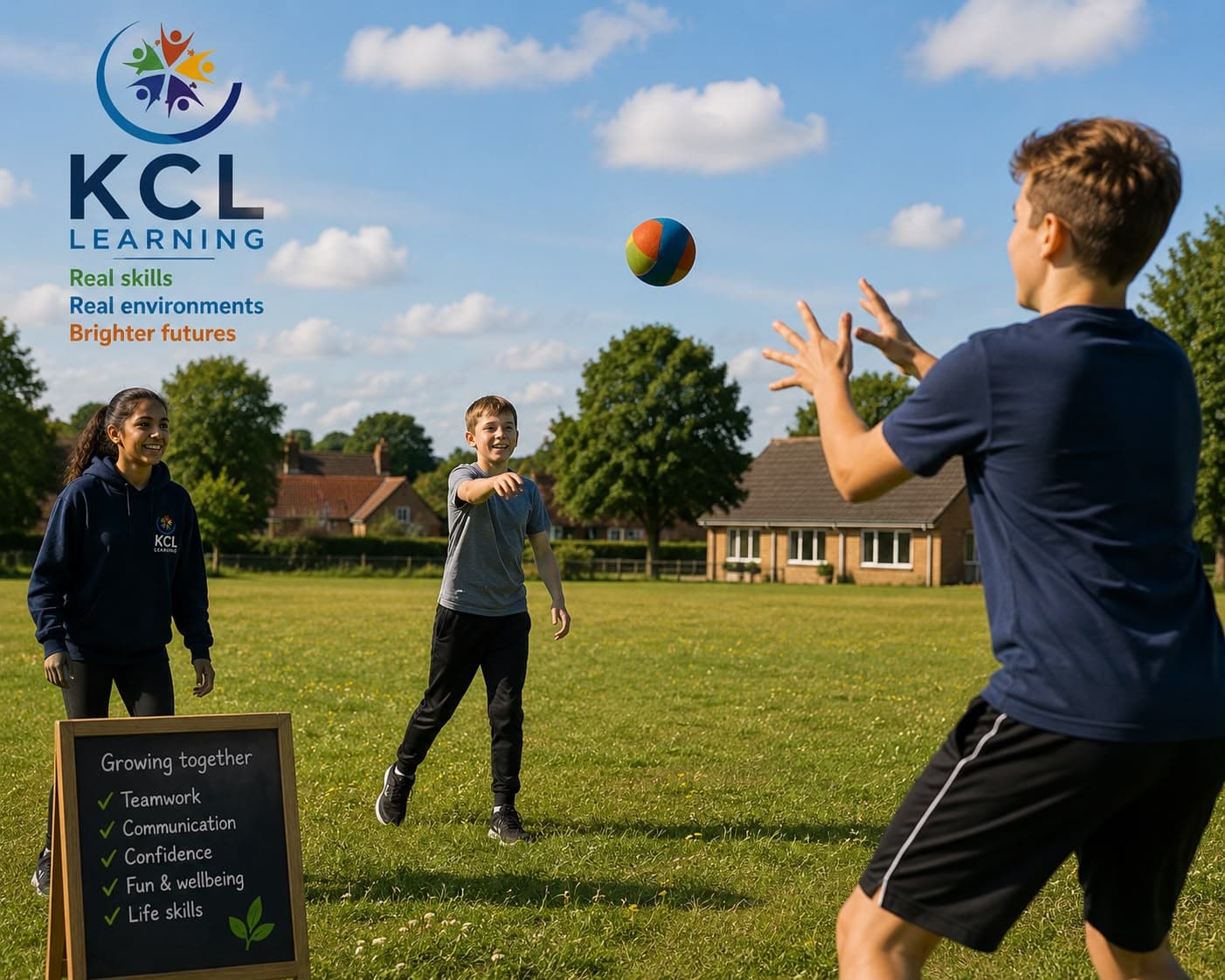
Accredited vocational pathways combining AQA UAS, NCFE, Functional Skills and practical learning in real-world environments, with supported progression towards further education, industry pathways, work experience, apprenticeships and employment.
Begin a conversation
Begin a conversation.
Reaching out can feel like a big step. Whether you're a parent, school, or local authority, we're happy to talk through needs and whether we're the right fit.