
Therapeutic · Farm-Based · Alternative Provision
The Farm School
Nathan's Farm, Chalfont St Giles, Buckinghamshire
Therapeutic alternative provision on a working farm — where animals, land, and purposeful outdoor work rebuild the regulation, confidence, and routine that make learning possible again.
Why a farm?
Animals don't judge. Tasks have a visible purpose.
For learners who have withdrawn from school — anxiety, EBSA, sensory overwhelm, disrupted placements — a classroom is often the last place re-engagement can begin. A farm is different. The rhythm of the day is predictable: feed, muck out, check, care.
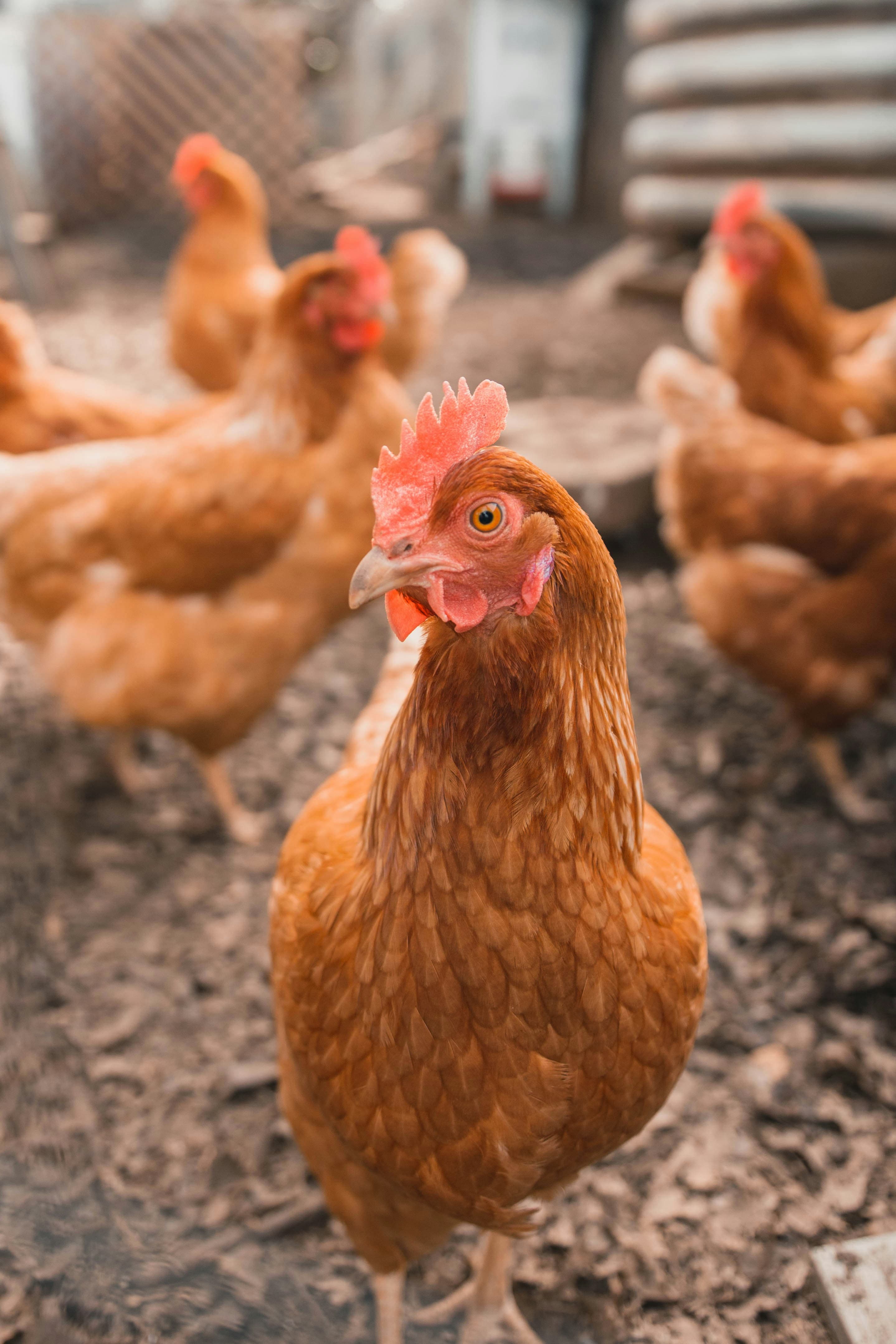
Land-based and animal-assisted learning gives dysregulated learners something few settings can: co-regulation with animals, physical purposeful work, and immediate, concrete success. That is the ground our four pillars stand on here — therapeutic engagement first, then functional life-skills, accessible assessment, and long-term progression.
- 01
Co-regulation with animals
Daily contact with animals that respond to calm and consistency — regulation practised, not instructed.
- 02
Physical, purposeful work
Feeding, mucking out, growing, maintaining. Work with an obvious point and an obvious end.
- 03
Immediate, concrete success
A fed animal, a cleared bed, a mended fence. Progress a learner can see the same day.
- 04
A predictable rhythm
The same rounds in the same order, every day — the structure anxious learners can lean on.



A day at the Farm School
The shape of a day.
A sample day — every pathway is shaped to the learner, and attendance builds gradually where it needs to.
- 9:30
Arrival & animal check-in
Feeding rounds and welfare checks — a settled, predictable way into the day.
- 10:15
Core learning
Functional Skills English and maths, applied to the farm — weights, measures, records, signage.
- 11:15
Break
Paddock time.
- 11:30
Land & animal work
Husbandry, growing, and seasonal projects — evidenced toward AQA Unit Awards.
- 12:30
Lunch
Often cooked with produce grown on the site.
- 13:15
Life-skills & creative session
Arts Award, woodwork, and enterprise projects.
- 14:15
Reflection & journalling
Progress captured against EHCP outcomes.
- 14:45
Close of day
Belongings check and handover.
What learners work toward
Every activity on the farm maps to recognised accreditation.
- 01
AQA Unit Award Scheme
Animal care, horticulture, and farm maintenance — small certificated steps that evidence motivating progress without a single exam.
No-exam unit certification - 02
Functional Skills
Taught through real farm tasks from Entry Level upward — the literacy and numeracy that underpin independence.
English & maths - 03
NCFE Qualifications
Currency toward post-16, college and training — offered where applicable to the pathways KCL is currently approved to deliver.
Regulated vocational routes - 04
Arts Award
A recognised creative qualification, Discover through Bronze and beyond. KCL is a registered Arts Award Centre.
Trinity College London
Progress is reviewed against EHCP outcomes and reported to referring schools and local authorities on a fortnightly and half-termly cycle.

The site
A working farm, minutes from the M25 and M40.
A working farm, minutes from the M25 and M40.
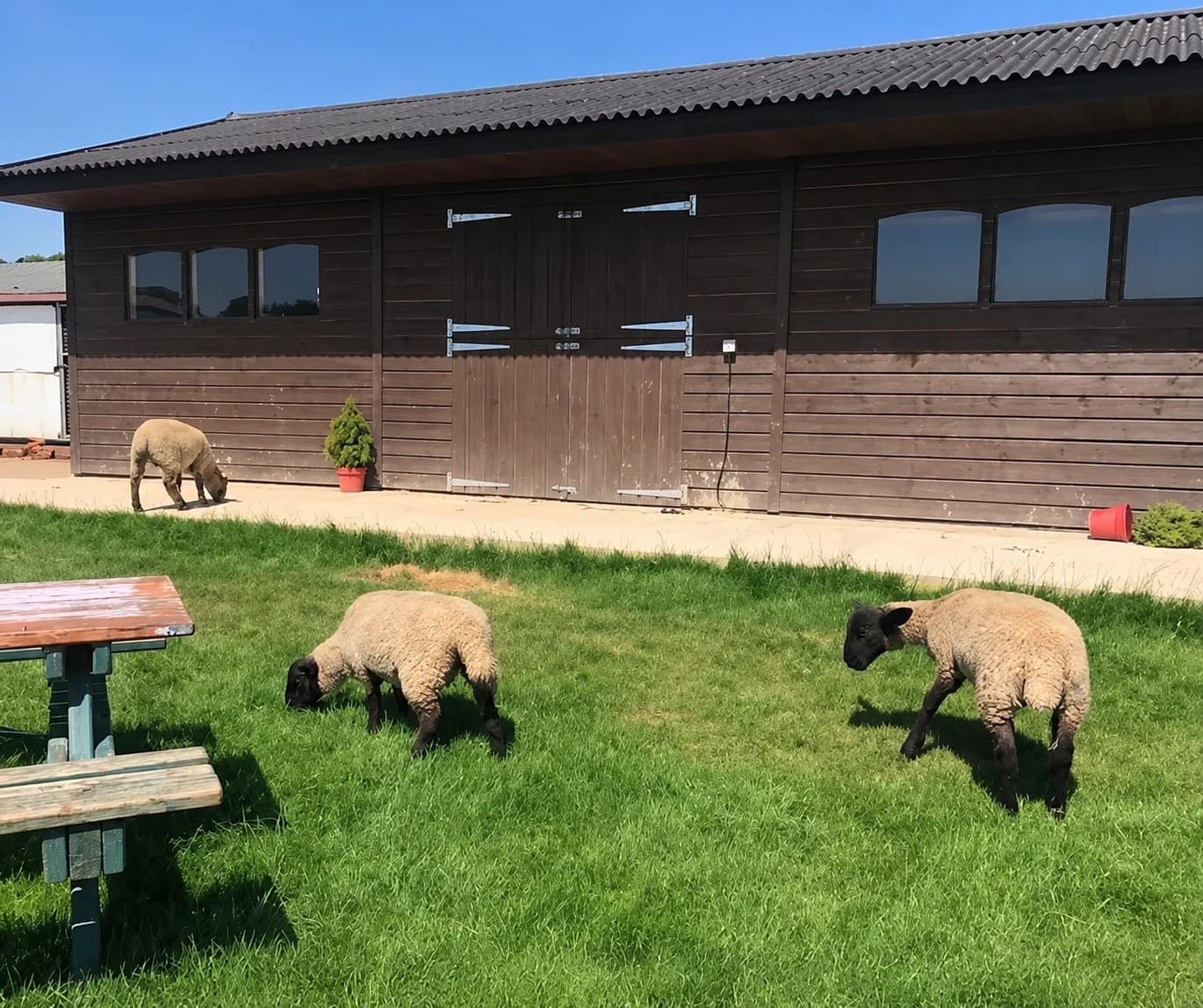
Set on a working farm in Chalfont St Giles, close to Denham Community Centre. Learners work with the animals and the growing areas, alongside dedicated indoor learning spaces including the barn classroom — calm, low-arousal, and structured.
- Setting
- A working farm, Chalfont St Giles
- Key stages
- KS2–KS4, plus post-16 progression
- Delivery
- Small groups and 1:1, high staff ratios
- Access
- Minutes from the M25 / M40 corridor

Working animals and growing areas, with daily welfare and husbandry routines
The barn classroom — calm, low-arousal indoor learning space
Small groups and 1:1, with high staff ratios
Full safeguarding framework — named DSL and enhanced DBS for all staff
Site-specific risk assessments for every activity and learner
Transport guidance available for referring schools and local authorities
Who it's for
For learners a classroom has stopped reaching.
Learners in KS2–KS4, plus post-16 progression, with:
EBSA
Emotionally-based school avoidance, including long-term non-attendance.
Neurodiverse profiles
Autism, ADHD, and wider neurodiverse profiles — diagnosed or emerging.
Placement breakdown
Repeated placement breakdown, or risk of permanent exclusion.
SEMH needs
Where a classroom setting has stopped working, whatever the history.
No diagnosis is required to begin a conversation. Where an EHCP is in place, all provision and assessment is mapped to its outcomes.
Referring a learner
A clear route from referral to start.
- 01
Send a referral
A short form, plus the EHCP or support plan and any risk information we need to plan safely.
- 02
We respond within 24 hours
We acknowledge the referral and arrange a site visit or a taster session.
- 03
Placement decision within five working days
With a start plan agreed with the referring school, and a phased start where that protects engagement.
To refer, book a site visit, or discuss a learner01895 722 304Kingsschoolreferrals@careconsort.co.uk
For commissioners
Everything a commissioning team needs, in one document.
The Commissioner Pack covers the provision, who we serve, curriculum and accreditation, a sample day, safeguarding and compliance, reporting cycles, and how to refer.
What’s inside
- 01About KCL and the four-pillar model
- 02The Farm School site and capacity
- 03Who we serve and referral criteria
- 04Curriculum, accreditation and a sample day
- 05Safeguarding, insurance and compliance
- 06Reporting, review cycles and how to refer
PDF · 3 pages · 114 KB
Prefer to see it in person?Book a site visit
Begin a conversation
Begin a conversation.
Reaching out can feel like a big step. Whether you're a parent, school, or local authority, we're happy to talk through needs and whether we're the right fit.